
The 15 Best Homeschool Room Ideas, Easy To Implement in 2026
Stephie Bermudez M
1/17/20264 min read
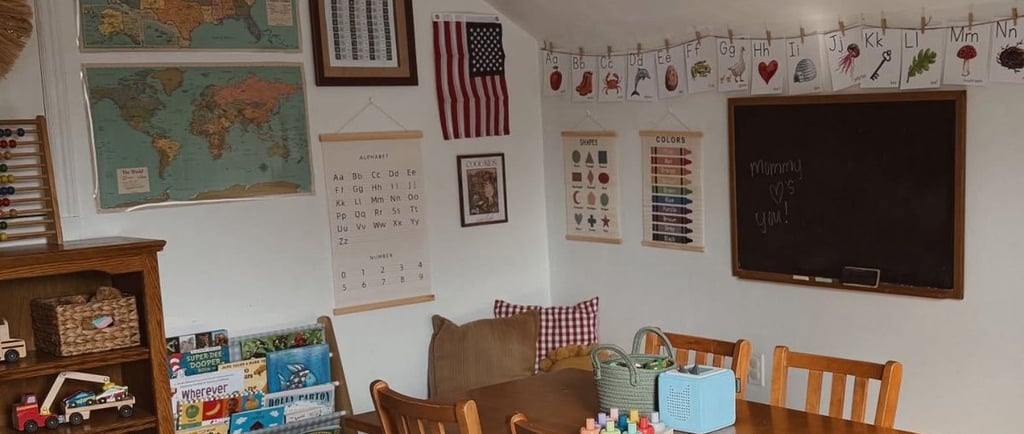
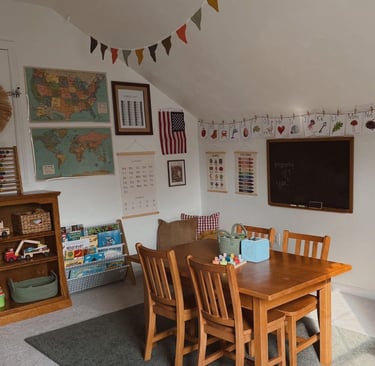
Creating a homeschool room goes far beyond placing a desk and a few books in a corner. A thoughtfully designed learning environment directly influences attention span, emotional regulation, motivation, and long-term learning habits. When children feel comfortable and supported by their surroundings, learning becomes more natural and enjoyable.
Below are 15 in-depth homeschool room ideas that explain not just what to include, but why each element matters and how it supports effective learning at home.
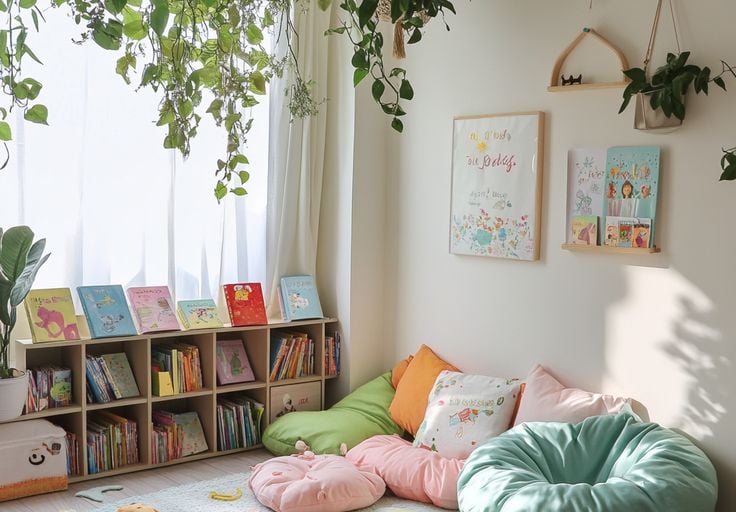
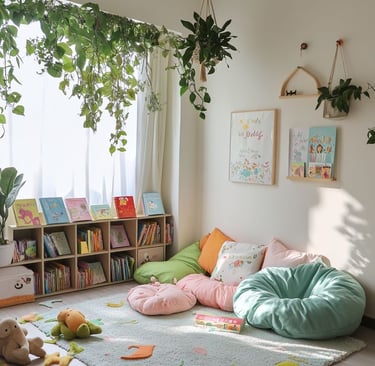
A cozy reading nook creates a safe, calm space where children can slow down and connect with books. Soft seating, warm lighting, and easily accessible books encourage independent reading and help children associate reading with comfort and enjoyment. This area is especially helpful for quiet reading time, emotional regulation, and developing early literacy skills.
1. Cozy Reading Nook
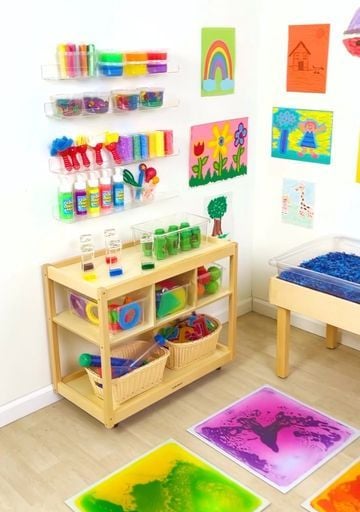
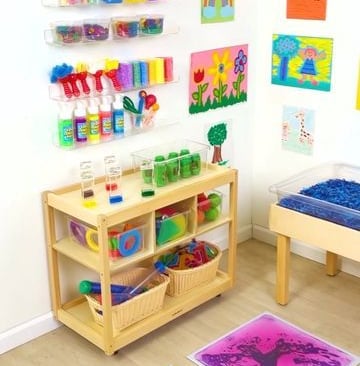
2. Interactive Learning Stations
Learning stations allow children to rotate between activities, keeping their minds engaged and reducing resistance to lessons. Each station can focus on a subject or skill, promoting hands-on learning and autonomy. This setup works well for multiple children and supports different learning styles throughout the day.
3. Nature-Inspired Study Area
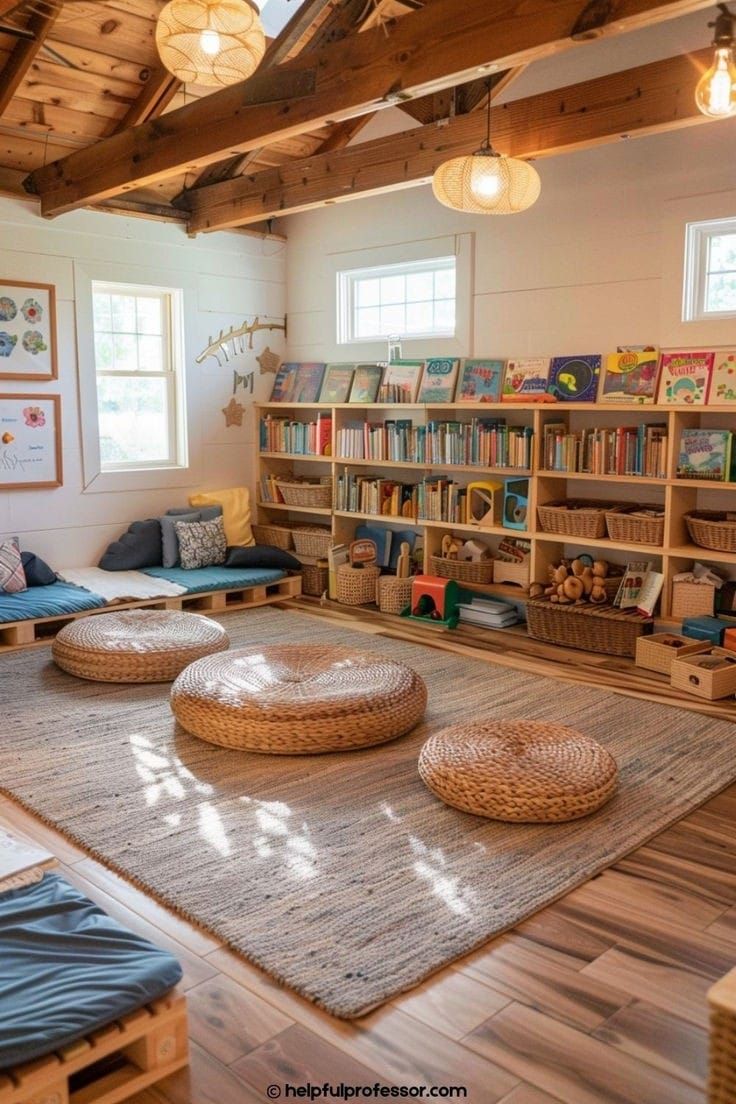
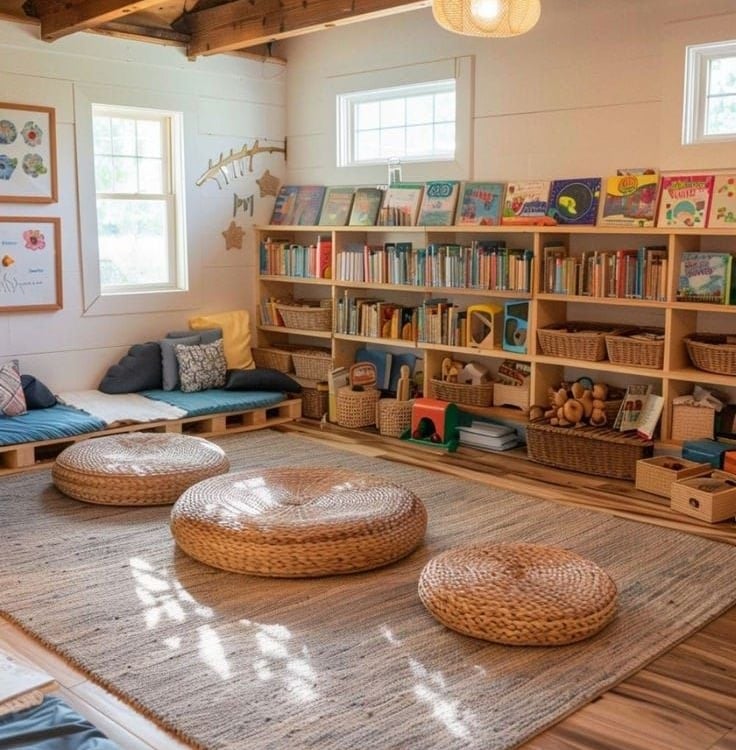
Nature-inspired spaces promote calm and focus by reducing sensory overload. Natural textures, plants, and soft colors help children feel grounded and relaxed. This type of environment is particularly beneficial for children who feel overwhelmed easily or need help staying regulated during learning.
YOU MIGHT BE INTERESTED IN THIS: I've designed a downloadable curriculum for high-energy children. You can easily print and replicate it. CHECK IT OUT HERE.
4. Creative Arts & Crafts Zone
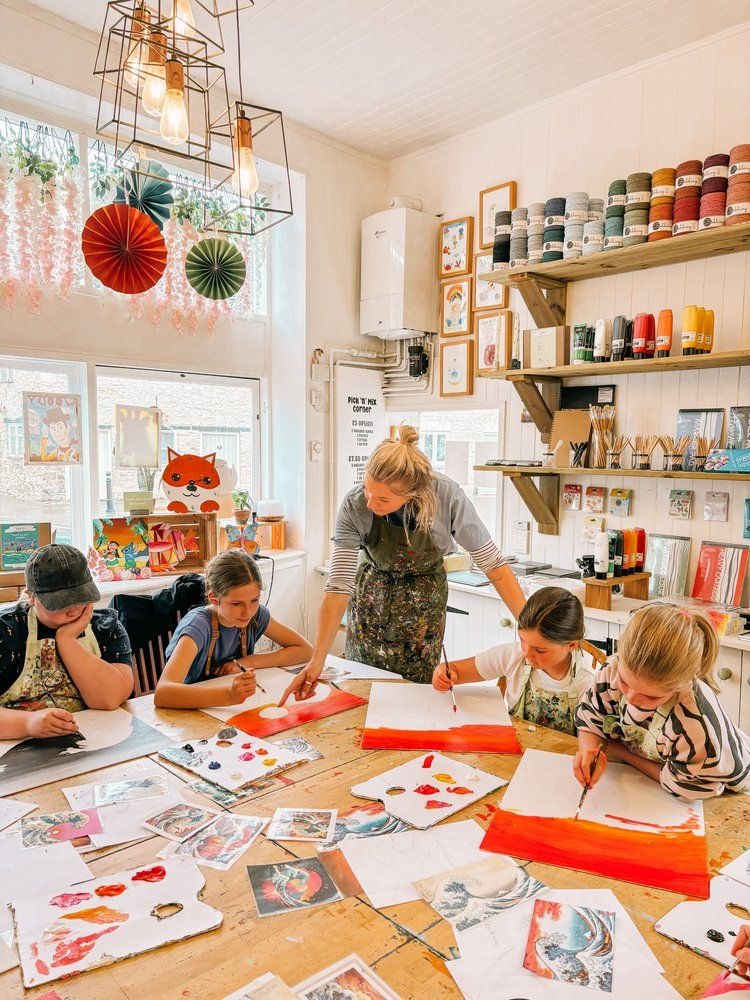
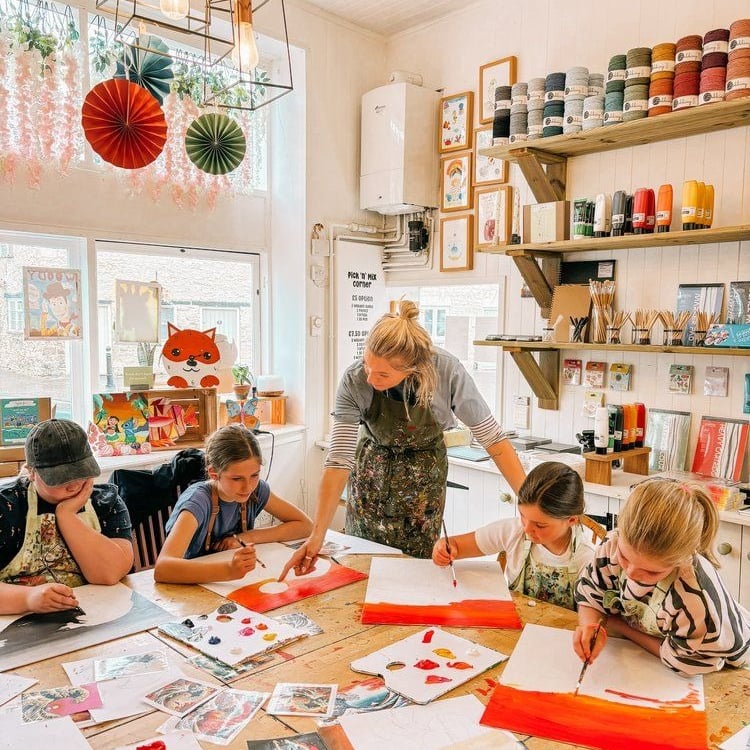
A dedicated art space communicates that creativity is valued. Easy access to materials encourages self-expression, fine motor development, and problem-solving skills. This zone supports emotional expression and allows learning to extend beyond traditional academics.
5. Tech-Enabled Study Space
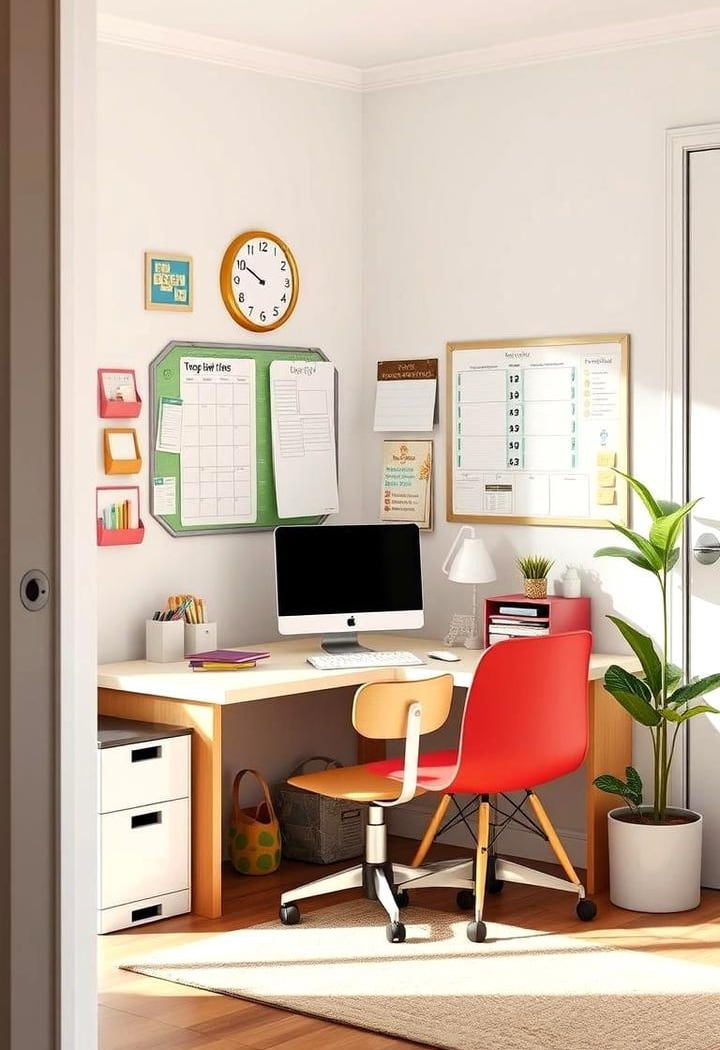
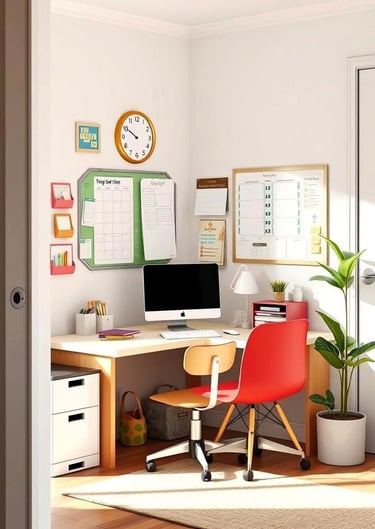
A tech-enabled area supports digital literacy when used intentionally. Keeping devices in a designated spot encourages responsible use, structured learning, and clear boundaries. This space works best when paired with screen-time limits and purposeful educational tools.
6. Minimalist Study Environment
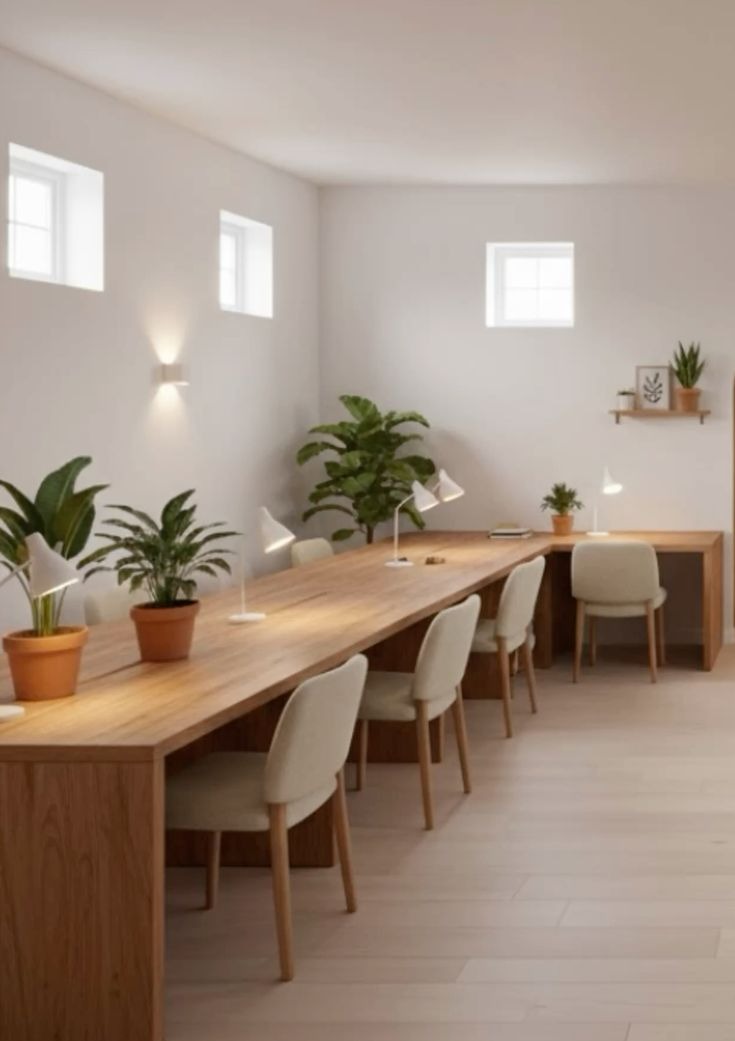
A minimalist setup reduces distractions and helps children focus on the task at hand. Fewer visual elements allow the brain to process information more efficiently, making this ideal for children who struggle with attention or sensory overload.
7. Flexible Seating Arrangement
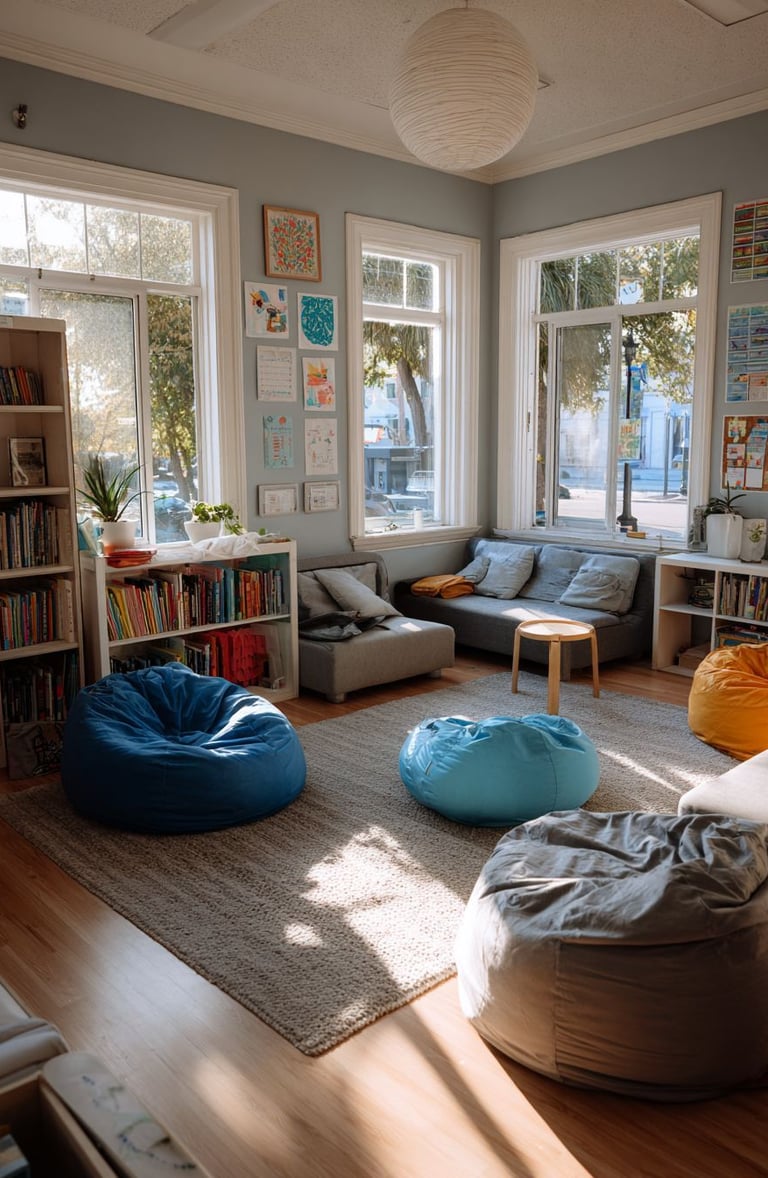
Flexible seating recognizes that movement supports learning. Options like floor seating or wobble stools allow children to adjust their posture and energy levels, improving focus and comfort during longer lessons,
8. Organized Study Hub
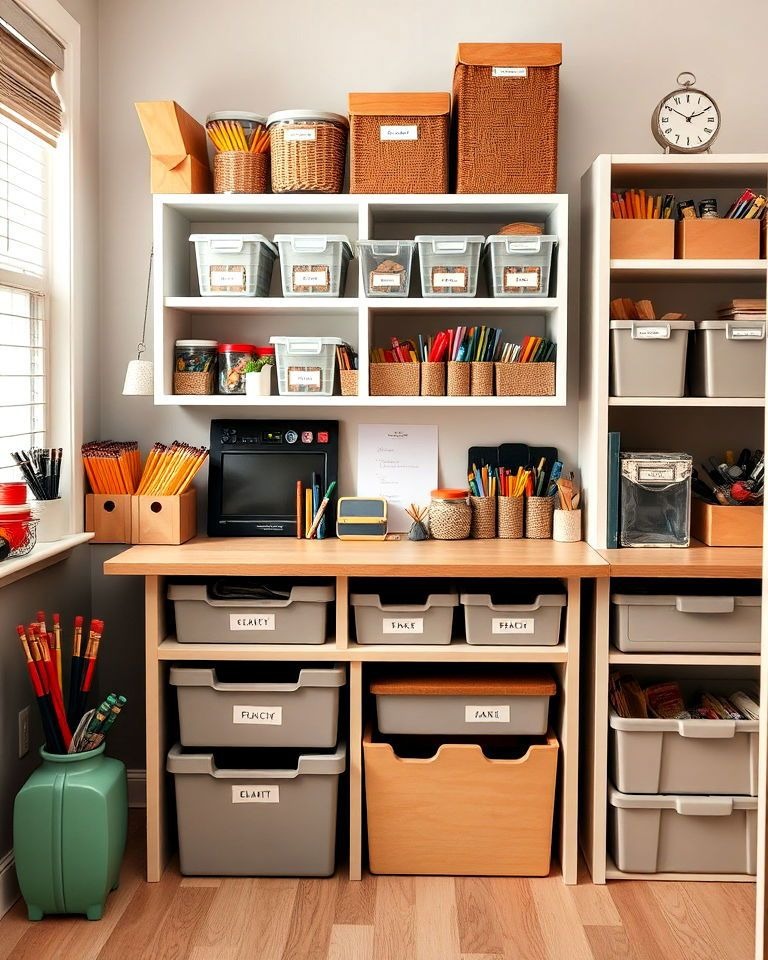
An organized homeschool room teaches responsibility and independence. When children know where materials belong, transitions are smoother and frustration decreases. Organization also helps parents manage time and reduce daily stress.
9. Vibrant Wall Display
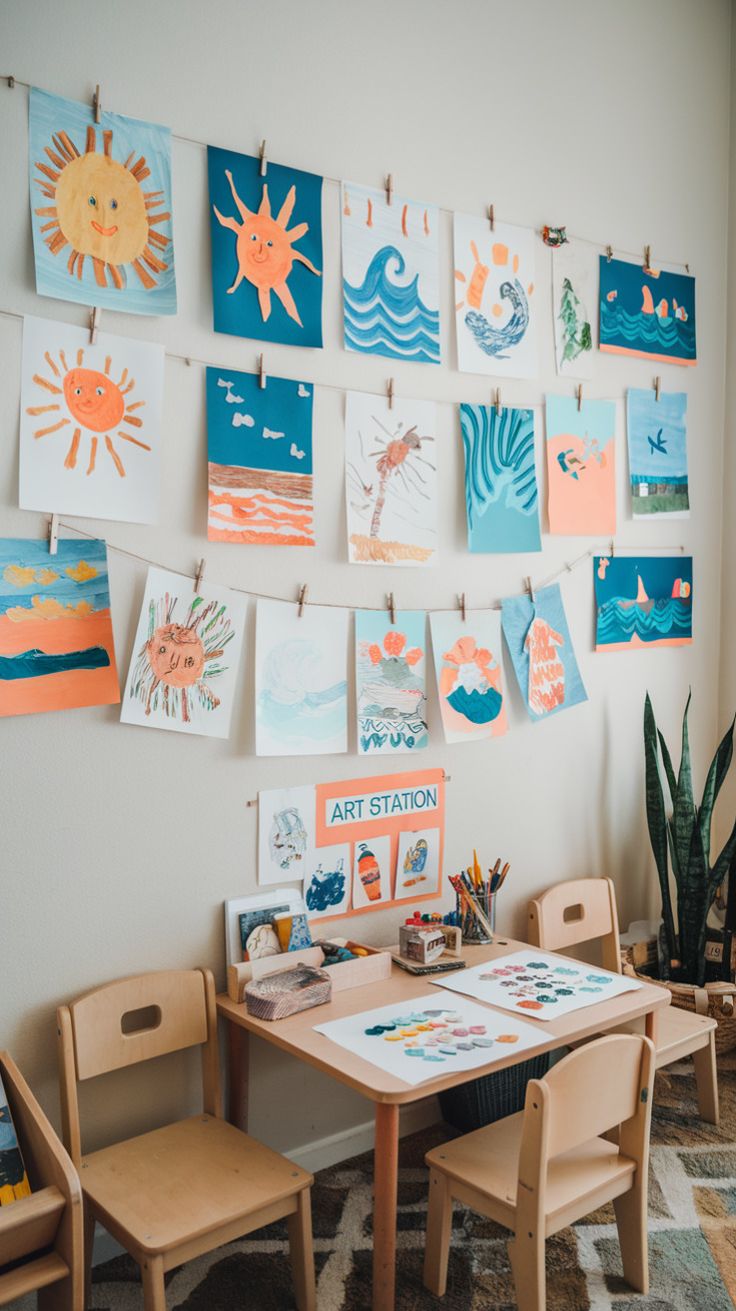
Educational wall displays reinforce learning through visual repetition. Displaying student work builds confidence and pride, while charts and maps support visual learners and passive learning throughout the day.
10. Custom Whiteboard Wall
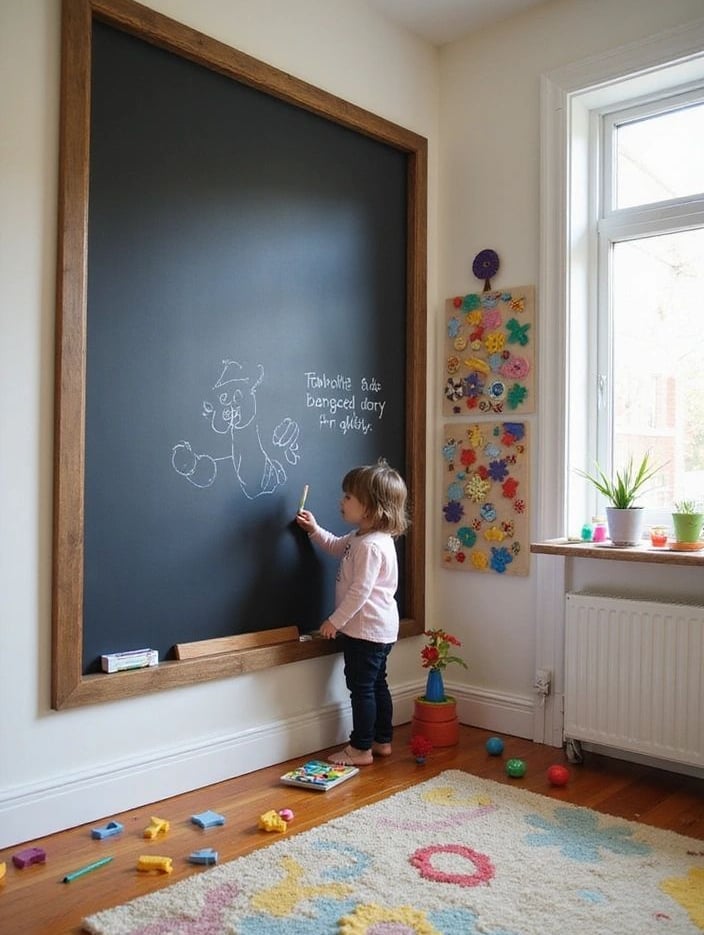
A whiteboard wall encourages active participation. Children can practice writing, problem-solving, and brainstorming without fear of making mistakes. This interactive tool supports creativity, collaboration, and confidence.
11. Ergonomic Desk Setup
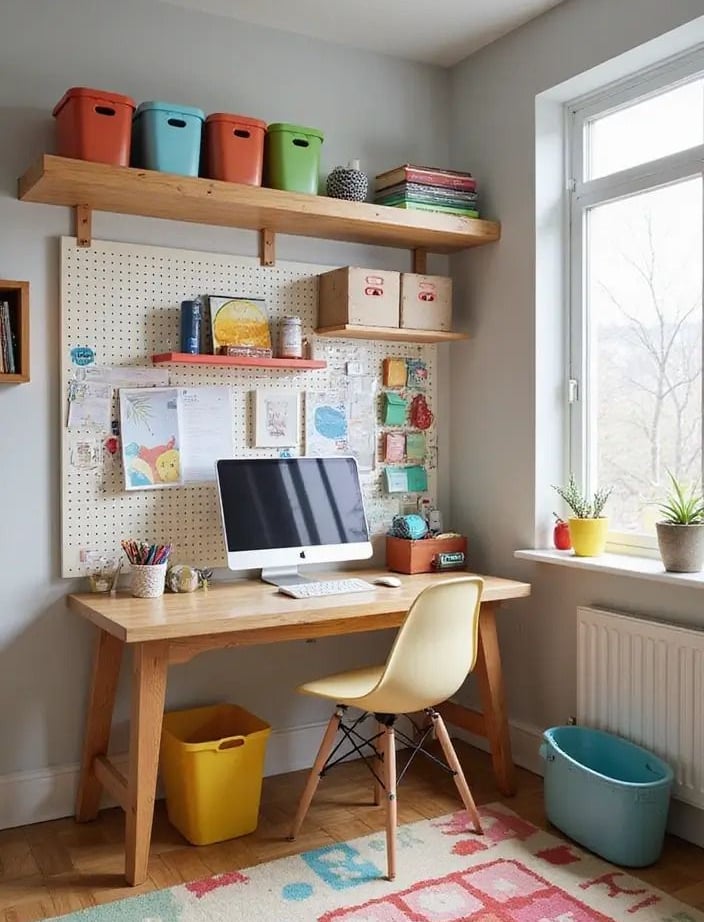
Ergonomic furniture protects posture and physical development. A properly sized desk and chair reduce fatigue, support healthy habits, and make learning sessions more comfortable and sustainable.
CLICK HERE to review the resume template specializing in high-energy children. This way, you won't have to worry about how to organize it.
12. Eco-Friendly Classroom
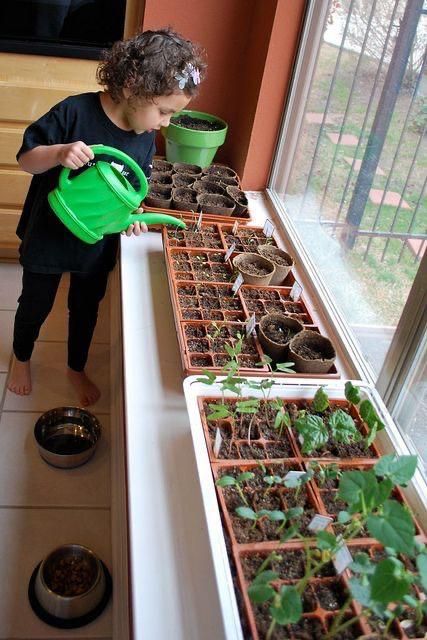
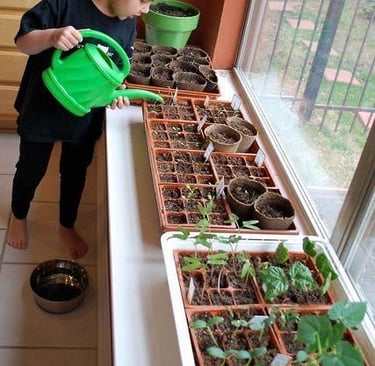
An eco-friendly homeschool room teaches environmental responsibility through everyday choices. Using sustainable materials encourages mindfulness and shows children how small actions contribute to a healthier planet.
13. Bright and Airy Study Room
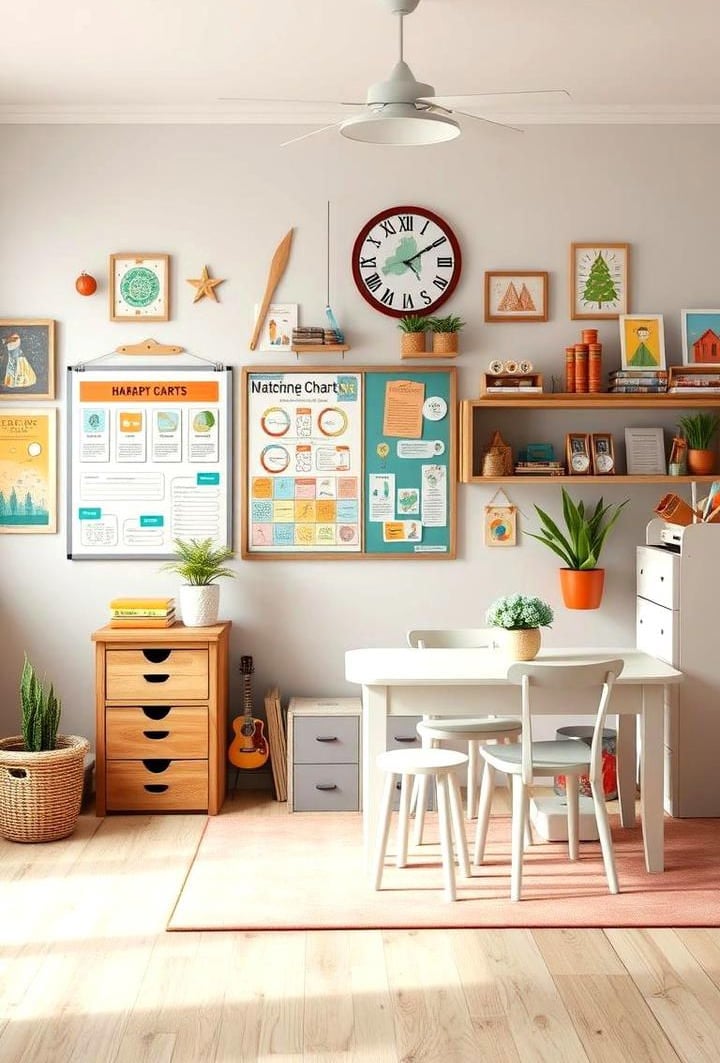
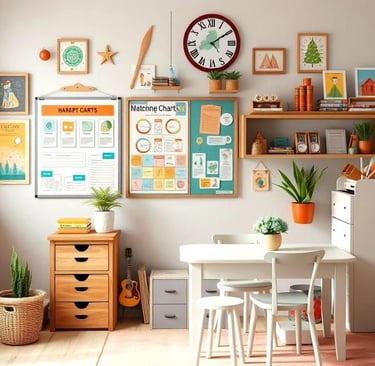
Natural light improves mood, energy, and focus. A bright, well-ventilated room helps children stay alert and positive, creating an inviting environment that supports longer learning periods.
14. Multipurpose Learning Center
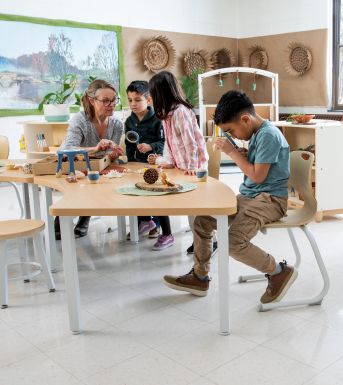
A multipurpose space adapts to changing needs throughout the day. Flexible furniture allows the room to transform easily, supporting academic learning, play, and creativity without requiring extra space.
15. Student-Led Project Corner
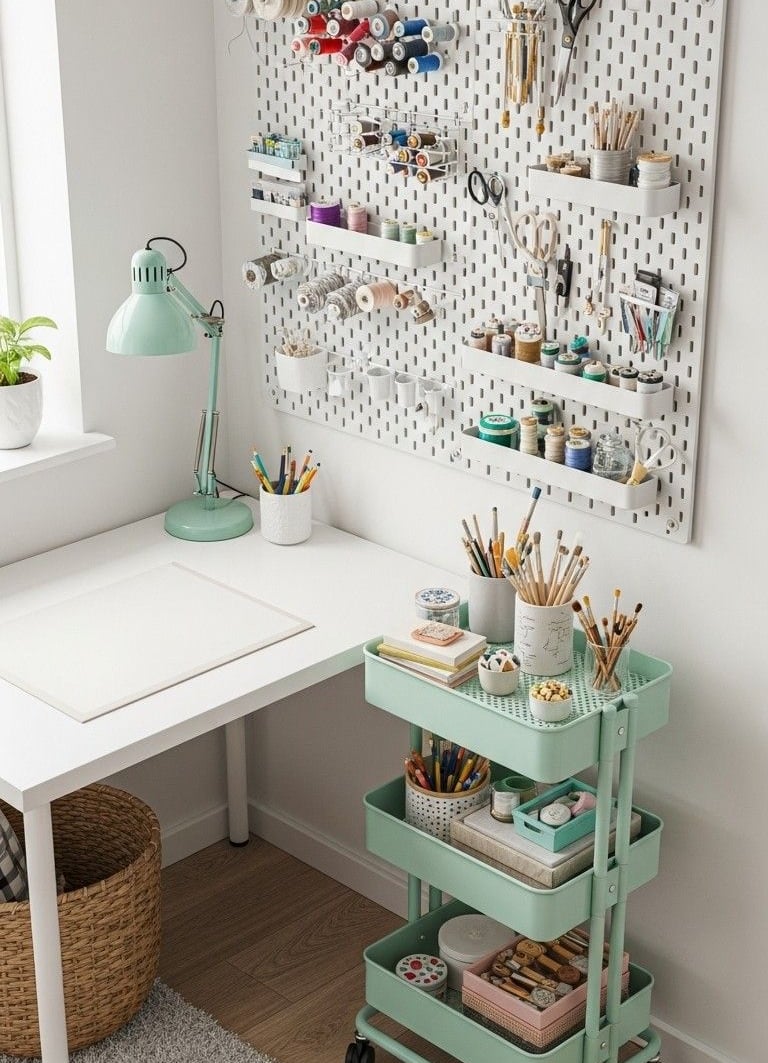
A student-led project corner empowers children to explore personal interests. This space encourages curiosity, independence, and intrinsic motivation, helping children develop a lifelong love of learning.
Final Thoughts
A homeschool room should evolve with your child. The goal is not perfection, but intentional design that supports learning, comfort, and emotional well-being. By applying these ideas thoughtfully, you can create a space where learning feels natural, engaging, and sustainable.